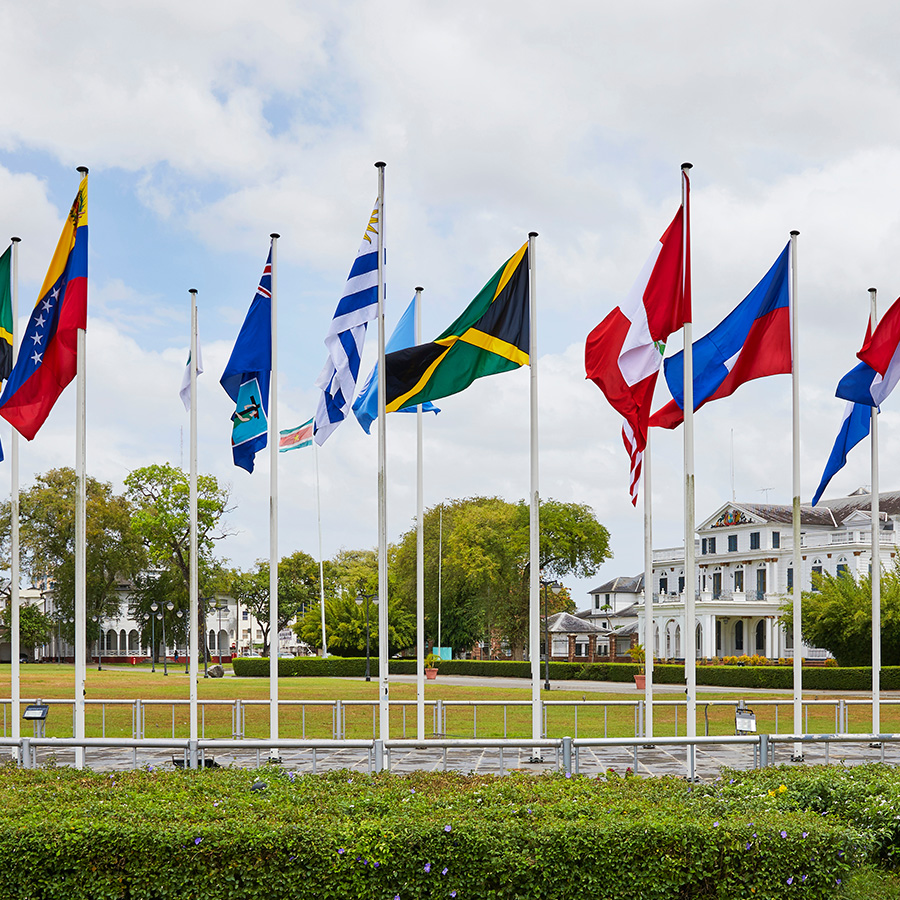
As of 2023, CARICOM’s total population stands at 18.9 million, with a regional GDP of USD $113.19 billion and an average per capita income of USD $5,998. Noteworthy contributors to the regional economy include Trinidad and Tobago (USD $27.9 billion), Haiti (USD $20.3 billion), Jamaica (USD $17.1 billion), Guyana (USD $15.4 billion), and the Bahamas (USD $12.9 billion). Other member states include Antigua and Barbuda, Belize, Dominica, Grenada, Montserrat, St. Kitts and Nevis, St. Lucia, St. Vincent and the Grenadines, Barbados, and Suriname.
The region experienced remarkable economic growth, averaging 10.3% in 2022 compared to the 4.5% recorded in 2021. Looking ahead to 2023, the Caribbean Development Bank (CDB), headquartered in Barbados, anticipates a regional growth rate of 5.7%.
This projected growth is predicated on the resurgence of tourism arrivals and ongoing investments in the energy sector. Additionally, Guyana, a founding member of CARICOM, observed an exceptional 98.4% growth in its oil and gas industry during the first half of 2023. Such remarkable progress is expected to significantly contribute to the overall regional GDP of CARICOM in years to come.
On 4 July 2023, CARICOM celebrated its momentous 50th anniversary. The milestone was celebrated with several events under the slogan, “50 Years Strong: A Solid Foundation to Build On”.
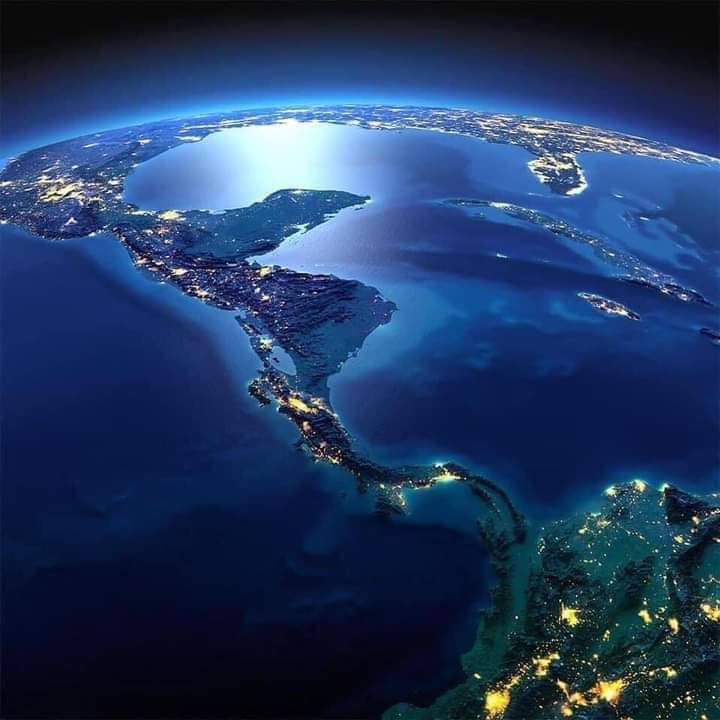

Sustainable tourism
The Caribbean is a top eco-tourism destination due to its natural attractions like beaches and forests, as well as its commitment to eco-friendly experiences.
In regards to CARICOM, St. Kitts and Nevis, and Antigua and Barbuda are prominent destinations for eco-tourism, offering breathtaking natural beauty and protected ecosystems.
Furthermore, Trinidad and Tobago, Jamaica, and Belize, also provide stunning eco-friendly attractions and adventures for travelers seeking a connection with nature.
Climate Resilience
Under Prime Minister Mia Mottley’s leadership, Barbados is implementing a strategy to phase out fossil fuels by 2030 and has introduced the national resilience initiative, Roofs to Reefs.
This program focuses on reinforcing home construction, sustainable land use, increased freshwater storage, and the restoration of coral reefs to fortify coastlines against waves, storms, and floods.
Similarly, Dominica has launched the Climate Resilience Execution Agency, positioning itself as a global leader in climate resilience.
Citizenship by investment
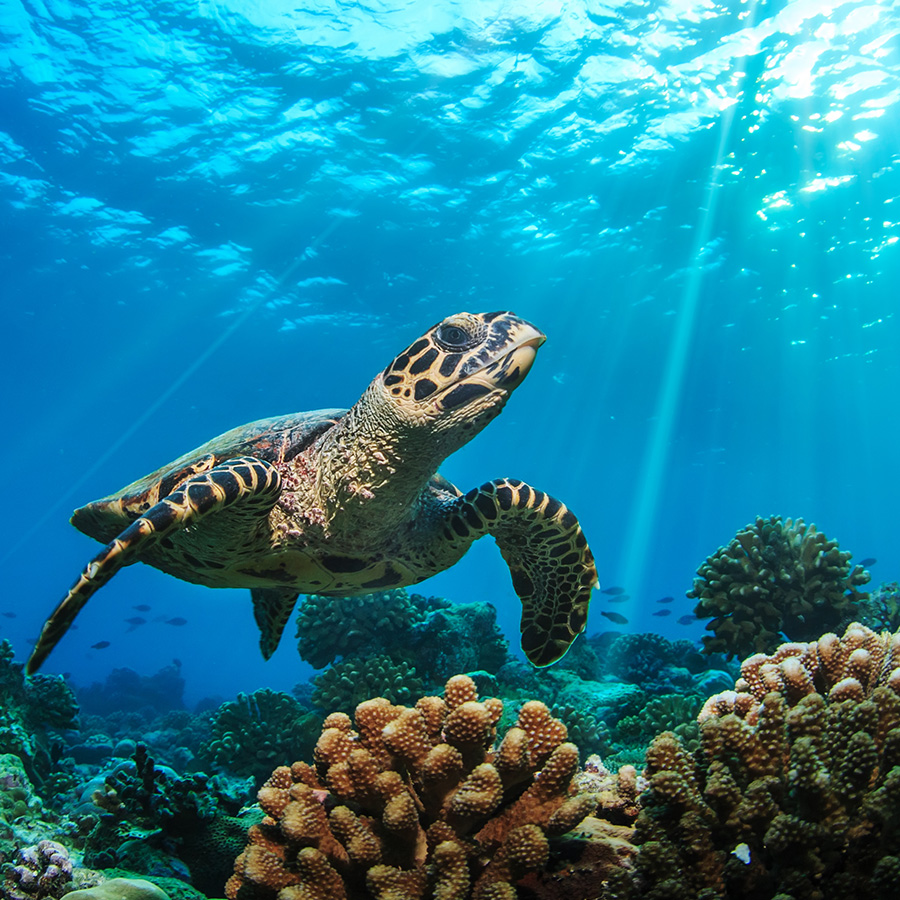
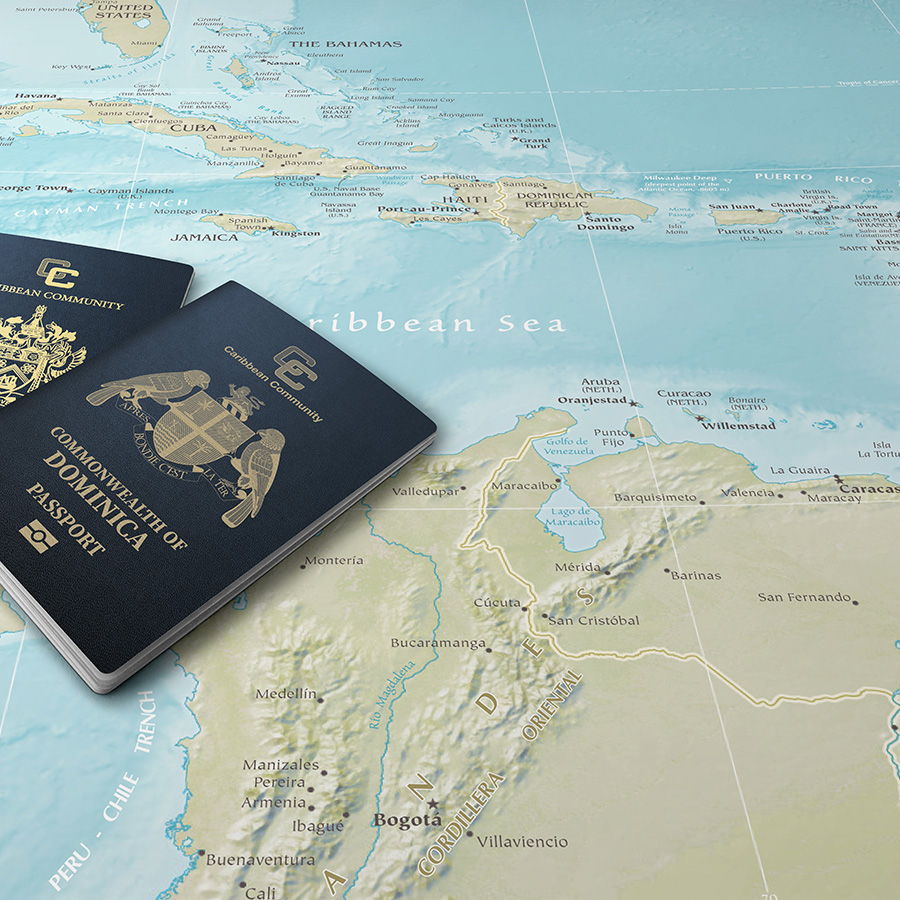
There are just five Caribbean countries that provide citizenship through investment, all member states of CARICOM: Antigua and Barbuda, Dominica, Grenada, St. Kitts and Nevis, and St. Lucia.
To obtain Caribbean citizenship and a passport, you can either make a donation or invest in real estate, with costs starting from $100,000.
There are currently five Caribbean citizenship by investment (CBI) programs in operation, offering lucrative incentives and relatively affordable investment options to investors looking to diversify their assets and protect their wealth.
US-CARICOM relations
CARICOM is a strategic partner for the United States as priority areas overlap with most of the United State’s interests. This includes migration, relations with Venezuela and Cuba, transnational crime, and Chinese and Taiwanese engagement in the hemisphere. CARICOM – whose members vote in major international organizations – is also vital to the United States’ multilateral goals.
Recognizing CARICOM’s challenges and importance to United States interests, Vice President Kamala Harris announced the US-Caribbean Partnership to Address the Climate Crisis 2030 (PACC2030): a new framework focused on supporting climate and energy resilience in the region.